


The 3 fundamental principles of food & wine pairing
The art offood and wine pairing can seem complex, even intimidating. Yet it’s based on simple, logical principles: it’s a matter of taste and balance. At Château de Corneilla, in the heart of the Roussillon region, we cultivate a centuries-old winemaking tradition that has taught us one essential thing: wine is meant to be shared and enjoyed around a good table.
To guide you through this delicious world, we’ve outlined the three fundamental principles of food and wine pairing.
Principle no. 1: The rule of balanced flavours
This is the golden, most intuitive rule. The aim is to strike a harmonious balance between the aromatic strength of the dish and that of the wine. A wine that is too powerful will overwhelm a delicate dish, while a wine that is too light will disappear in the face of a cuisine with intense flavors. The idea is for one to complement the other, without masking it.
Imagine a fine, steamed fish. Its subtle flavors call for a dry, delicate white wine, a Roussillon white wine distinguished by its freshness and citrus notes. Conversely, if you’re preparing a dish in sauce, rich in spices or aromas, you’ll need a fuller-bodied wine. A leg of lamb, for example, will find its ideal partner in a Roussillon red wine with silky tannins and black fruit aromas, which has the structure to stand up to the richness of the meat.
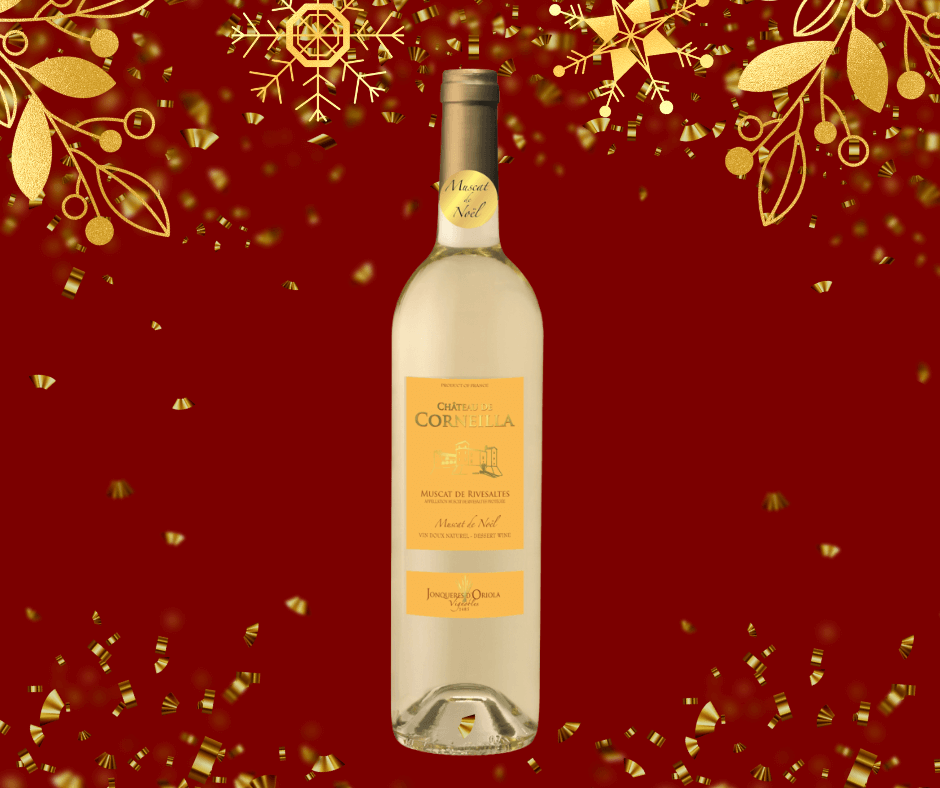
Balance also means considering sweetness, acidity and fat. A fatty dish, such as duck confit, will be superbly enhanced by theacidity of a red wine. A very sweet dessert, on the other hand, calls for a naturally sweet wine that is at least as sweet as the dessert, such as a Muscat de Rivesaltes, so as not to seem acidic in comparison.
Principle 2: Matching aromas and terroirs
This principle is based on aromatic complementarity. The flavors and aromas of the wine can echo those of the dish, creating a perfect synergy. Think of classic pairings: the red fruit notes of a Roussillon red wine with roast poultry with berries, or the peach and apricot aromas of a white with a dried apricot tagine.
There’s also the regional pairing, the famous adage “local wines with local dishes”. A wine and a local specialty are often born to get along, having grown in the same soil, under the same sun. This is one of the great secrets of Roussillon wines. Our exceptional terroir, bathed by the Mediterranean and protected by the Pyrenees, gives our wines unique characteristics. A Roussillon rosé with notes of red fruit and sweet spices is a perfect match for summertime Mediterranean cuisine, paella or a tomato and basil salad.
Principle 3: The rule of opposition and contrast
A classic example of this approach is thepairing of a blue-veined cheese like Roquefort with a naturally sweet wine. The intense, salty aromas of the cheese blend perfectly with the sweetness and power of a Muscat de Rivesaltes. The sweetness of the wine balances the saltiness of the cheese, creating a memorable tasting moment.
From theory to practice: your trip to Château de Corneilla
These three principles are only starting points. The best way to master them is to experiment. Every wine has its own personality, every dish its own nuances. The important thing is to have fun, listen to your senses and don’t be afraid to make new discoveries.
Our vineyards, rooted in the rich and diverse soils of Roussillon (Collioure, Les Aspres, Côtes Catalanes), produce wines that tell the story of our land. Whether you’re a lover of red wines, elegant whites or sunny rosés, you’ll find the perfect wine to accompany your meal. Our team will be delighted to introduce you to our wines, tell you about our history and advise you on your future wine and food pairings. The art of eating and drinking well is a simple pleasure that we are proud to share.